
 CINCINNATI LOCKSMITH
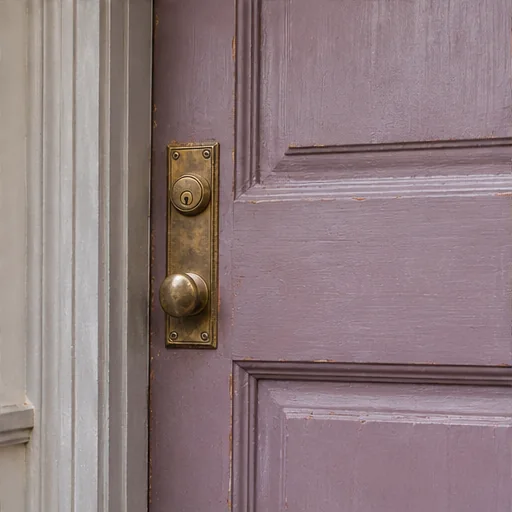

Make a short list by door
Walk through the property and name each entry in terms someone else will recognize. Front door, side door off the drive and rear unit door are easier to act on than three numbers on a key ring. Add who uses each one and whether it works on a normal day. If there are two locks on one door, note which one you actually turn and whether either needs attention.
For a house in Westwood, that might mean separating the entry nearest the drive from the door visitors use. For a small shop near Oakley Square, it might mean keeping the delivery door on a separate access plan from the public entrance. Putting each opening on the list helps you ask for a quote based on the work you want. A key may already operate more than one opening, so confirm what you use from day to day before the visit.
When rekeying makes sense
Rekeying is worth discussing when a lock is sound and you want to retire the keys that worked before. The parts that recognize a key are changed within the compatible hardware, so the old key no longer operates the rekeyed lock. From either side, the handle and trim can often stay in place. That can be useful when the door has matching hardware or a finish you want to preserve.
A new owner, a renter with permission or a shop manager dealing with an unreturned key may have different priorities. For a move, work through the locks used by previous occupants. For a rental, check the lease or speak with the manager about approval and who needs a new key. For a store, decide whether you can make the change before opening or after the last shift. Even a straightforward key change can interrupt a delivery or leave an authorized person waiting if the timing is unclear.
Find out whether the lock or the door is wearing
Tell us when the problem shows up. A bolt that turns easily with the door open but rubs when closed may be meeting the frame at the wrong spot. A handle that feels loose in either position may need its own inspection. A key that suddenly feels rough even with the door open might point to the key or the lock. Don't force a key through resistance or keep using a handle that feels ready to come away.
Doors get used differently throughout the week. A household may have a heavily used side entry, while a business may rely on a rear door mostly during deliveries. Mention if the symptom appears after a change in the way the door is used or follows damage to the handle or frame. A photo taken without showing a key can help identify the hardware, though testing the door in person may be needed to find the actual cause.
Ask what you can keep
When a lock is damaged or the handle has become unreliable, compare the cost and availability of repairing a part with replacing the compatible hardware. The details are more useful than a yes or no answer about replacement. Ask which part has failed, what will stay in place, and whether a change will leave any marks on the door or trim. For an older entry, a repair that retains the door and surrounding finish may matter more than choosing the newest lock.
Some doors have a mechanical deadbolt with its own opening. Others use hardware that sits in a larger pocket built into the door. A door can look similar from the hallway and still need different parts. If the existing style matters, say so before agreeing to a replacement. Check whether the new hardware would fit without changes you don't want, and ask how the door will be secured if a needed part has to be ordered.
Set expectations when more than one person needs access
A request to use one key for several compatible locks can make daily life simpler. Compatibility matters. The lock hardware needs to accept the right type of key, and some doors may have rules that require separate access. Decide what a household member, contractor or business employee should be able to use. You can keep certain doors on a different key when it helps you manage access.
A shared entrance in Over-the-Rhine, Cincinnati, may be managed by someone who doesn't hold the key to your unit. Get the name of the person responsible for the affected door and confirm where the boundary is between common and private space. If a building or organization already manages keys, give them the opportunity to coordinate the work first. It's easier to adjust the plan before parts are changed than to explain afterward why someone else can no longer get in.
For a property with an incoming occupant, remember to include the handoff time. A key handover scheduled in the middle of a change can leave both occupants uncertain about what works. Give the manager or owner a simple list showing the doors changed and which keys they should collect when the visit is finished.
Review the work in terms you can check
Before approving work, go over the list door by door. Ask which opening will be rekeyed, which will be adjusted and where a part may need replacing. If a quote includes more than one visit or depends on the replacement being available, ask what each visit will cover. After the work, ask to see that each affected door latches without extra pressure and that the right key works at each planned opening.
Lock repair and rekeying in Cincinnati can be discussed in the same call. Give us the address, describe the door and say whether the problem is a lost key, a change in access or a lock that feels different. If you have several doors, pick the one that makes the biggest difference to your day. We can start there and discuss what to evaluate before changing the rest.