
 CINCINNATI LOCKSMITH

Work out which part of the key you need
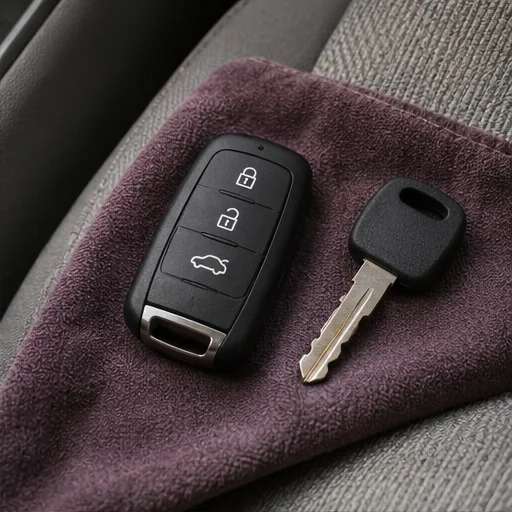
Picture how you used your key yesterday. Some drivers insert a metal key and turn it. Others use a remote with a folding blade. A push-button vehicle usually recognizes a nearby electronic fob. A fob may also contain a small mechanical blade for the door. Those parts serve different purposes, so tell us if you lost the entire key or only the remote, shell, or blade.
If the car starts with the key you have, demonstrate which buttons fail or which part is physically damaged. A cracked shell can make a button unreliable while the vehicle still recognizes the key. If the dashboard says the key isn't detected, give the actual wording if you remember it. The difference between a remote problem and a key the car won't recognize affects what you'll discuss in the estimate.
Keep hold of the pieces if a housing broke. They can help identify the key type. A photo of the outside of the remote, with any personal information kept out of the shot, can help describe what you've got when the buttons and shape are hard to explain.
An all-keys-lost call starts with the car and its paperwork
Gather the model year, make, model, and ignition type. Trim or equipment can matter on some vehicles, and the vehicle identification number, or VIN, can help confirm what the car is. It's generally visible near the lower driver's side of the windshield and appears on documents such as registration. Copy it somewhere private so you can read it accurately when you're asked.
Have a photo ID and proof of ownership or permission. If a partner or parent is the registered owner, check whether they can join the conversation. For a rental or company car, follow the owner's process for replacement keys. If your papers are locked in the car, say so upfront and ask what can be verified before work begins.
Keep your current location handy as well. A car in a driveway in Westwood and one on a gated level downtown can call for different arrangements. Mention if you can reach the driver's door and whether an attendant controls vehicle access. If the car is still at a shop, ask what time the premises will be accessible and who can authorize work there.
If the fob works intermittently, note the pattern
Write down what happens on an ordinary attempt. Does the remote only respond close to the vehicle? Do the buttons fail while the car still starts? Does a second existing key behave the same way? If you tried either key before the trouble, say when it last worked. A short description gives the person diagnosing it more to go on than a report that the key is dead.
A battery, damaged remote button, worn blade, or vehicle fault can produce overlapping symptoms. A key that turns poorly in a door cylinder may need a different assessment from one that feels fine in the lock but fails at startup. If the problem began after unrelated electrical work or a jump start, mention it. It may affect which questions you need to ask first.
Before purchasing a fob online, check whether the provider can work with that exact part for your car. Matching the button layout or case shape doesn't establish compatibility. Ask what identification is needed on the part, whether supplying your own changes the estimate, and what happens if the vehicle cannot recognize it.
Compare quotes by the functions they cover
A useful estimate names the work and what the resulting key should do. Ask whether it includes the physical key or blade, electronic setup, the remote functions relevant to your car, and any visit fee. Also ask what could affect the total once the vehicle and part are checked. Two quotes can look close until you realize one includes a mechanical door key and the other covers electronic setup only.
If you have a key left, ask whether you'll need to bring it for the appointment and whether existing keys will still work afterward. If missing keys could still be used, tell the provider before choosing a plan. Ask what's possible for your vehicle and which functions of a missing key, if any, can be disabled. The effect on remote access and physical entry depends on the vehicle and hardware.
If you're deciding between service at the car and taking it somewhere, ask what each option requires. Location access, ownership documents, part availability, and the vehicle's setup can affect that decision. Getting those practical details sorted first can save you an extra trip.
Plan for the place where your car is parked
If your car is in a garage around The Banks, use the garage name and street entrance from the sign, then add the level and your location on it. A landmark is a useful reference point. The garage name is what helps someone find the gate, ask about access or a height limit, and reach the right parked car. If staff need to meet an arriving vehicle, find out where they want that meeting to happen.
On or near the University of Cincinnati campus, identify the specific facility in your parking receipt or on the entrance sign. If you only have a photo of the car's spot, any level or section marker in the photo can help. For a rental or a car parked at work, arrange for the person who can approve the job to be reachable while you're there.
If the only key is lost and the vehicle is also locked, say both things. That gives us a chance to discuss any access work alongside the replacement and to clarify whether both can be included in the same visit for your vehicle.
Make sure the finished key handles your everyday use
At the end, test the features you discussed. Check authorized door access, locking and unlocking, and whether the car starts. Ask about the trunk or another button you use often if it's part of the work. If you brought a working key, check that one too. Keep the receipt and any useful part information with your vehicle records.
When you call LockReach, keep the year, make, model, and a quick description of how the original key worked close at hand. If you're waiting with a car downtown or calling from home about a failing remote, those details get you to the right questions about compatibility, access, and cost.