
 CINCINNATI LOCKSMITH
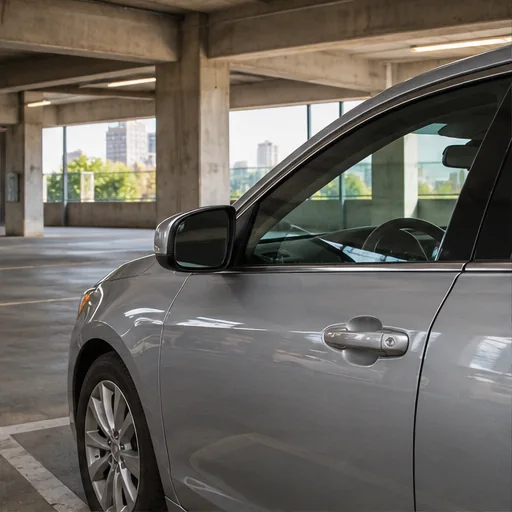

Tell us what you can see from outside the car
If the keys are visible on the seat or in the cargo area, say where you see them and which doors are locked. If you're unsure where the key went, tell us when you last used it and whether someone can bring the other one. A call for entry and a call for an all-keys-lost situation involve different equipment, authorization checks, and time on site.
Give the year, make, model, and color. Describe the key in a few words. Does it normally turn in the ignition, slide out of a remote, or stay in your pocket while you press a start button? If the remote usually works and only stopped responding today, tell us whether you've seen any warnings or had other electrical trouble with the car.
Some symptoms may point toward a vehicle issue that needs a repair shop or roadside service. If you were able to enter but the engine wouldn't start, report what happened at the dash and whether the car had been running normally. That information helps decide what sort of help to ask for before arranging a visit.
Give a meeting point that works on the ground
In an unfamiliar downtown garage, look for the posted garage name, street entrance, and level. Add a pillar number, lettered section, or nearby elevator if there is one. City facilities and private garages have different entrances and access arrangements. If a gate, fee, or height limit affects how a service vehicle can enter, bring that up when you call and ask the operator how to arrange access.
Near the University of Cincinnati, check the specific garage or lot name on your ticket, parking app, or entrance sign. An address on Clifton Avenue may get someone close to campus when your car is actually in a different facility. If the ticket is inside the car, give the entrance you remember and an obvious place to meet outside. Staff can often help you confirm the facility name.
On an open lot in Oakley, use a store name and a clear row or side of the lot. Make sure you're waiting where you won't have to step into moving traffic to flag someone down. If someone from the garage or lot wants to direct the meeting point, share their instructions.
Gather the documents the driver can show
A photo ID and registration are a useful start. The person asking for access should be able to establish that they own the car or are authorized to use it. If the registration is in the glove box, tell LockReach during the call. Ask what verification can be arranged and whether the owner needs to be reachable while you're there.
With a rental, have the agreement or rental app handy and call the rental company to ask how it handles lockouts and keys. For a fleet car, contact your supervisor or fleet manager. If a family member lends you a vehicle, let the owner know about the problem so an approval call won't catch them by surprise.
Share documents through the method agreed with the provider. Keep photos of IDs and paperwork out of public messages or reviews, and confirm who you're speaking to before you send any personal information.
Check which kind of help you need before agreeing to a visit
If the key is in the car and normally works, getting back in may be all you need. If the only key is missing, ask whether the vehicle can be handled at its current location and whether the replacement is expected to unlock the doors, start the car, and operate the remote features. Those functions can depend on the vehicle and key type.
A key that works in the ignition and fails at one door points to a different problem than remotes that fail at every door. Explain what still works. If the door was hit, the lock feels loose, or parts of a damaged key are missing, say so. Avoid forcing a stiff key or pulling at the frame. A description while everything is still in place is useful to the person who'll inspect it.
Compare the scope of any quote you receive. Ask whether the estimate covers access, a visit fee, and any part or programming that might be involved. Check what you owe if the person arrives and the vehicle needs a different kind of work. If roadside help is included in your insurance or membership, you can check that option before you book.
Pick a safe way to wait
Move to a staffed booth, open lobby, or well-lit sidewalk if you're somewhere unfamiliar. If you're along a busy road, stay clear of traffic and tell the person taking the call where the car is and where you're waiting. A vehicle stranded in a travel lane or any immediate danger calls for emergency help. Call 911 if a child is alone in a locked car.
Keep the phone number for the garage desk or lot operator if you have one. A member of staff may need to let you back onto a level or point out a vehicle entrance. If your battery is low, arrange the exact meeting spot and let the person taking the call know if someone else will answer for you.
Tell us if you're working around a garage closing time or a shift change, so the meeting plan accounts for any gate or staffing change. If you leave the garage to wait, remember to take a parking ticket or identify how you'll get back in.
Before driving away
If you called for a lockout, check that your key is back in your hand and the door you used closes normally. If the visit included key work, ask what functions to test with the technician present. Depending on the job, that can mean testing ordinary door access, remote buttons, and startup. Bring up any warning message you saw before the visit so it can be checked again.
For help around Cincinnati, start with the nearest street or garage entrance, the vehicle details, and what your key did the last time it worked. Those three details let us focus the conversation on getting you and the vehicle moving again.