
 CINCINNATI LOCKSMITH
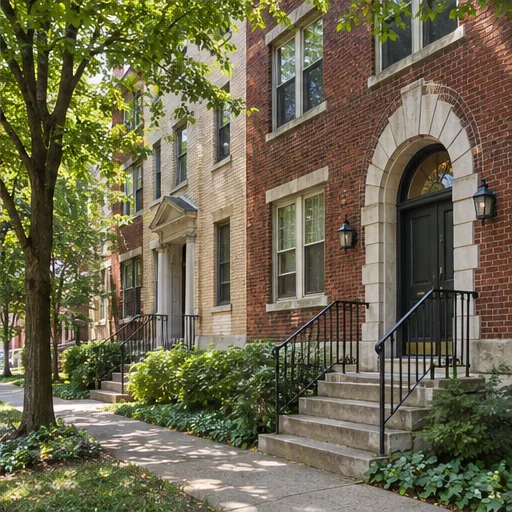
List the doors that belong to you
Start with the main entry, then walk around to the door from the garage, the side entry and any back door you use. Make a note of which keys feel stiff and which doors are out of line. If you rent in Clifton or move into a building in Over-the-Rhine, check the lease before changing locks. The shared front door is often handled separately from the one to your unit.
If there is an alarm, keypad or connected lock, ask the property owner or manager how access is transferred. Avoid changing a code for a door that serves another unit.
Match the choice to the actual problem
Rekeying can change which keys operate a suitable lock. It preserves the existing hardware, which can be helpful when the lock still works and you like the existing trim. A key that catches, a bolt that binds against the frame or a worn handle may need a different solution.
If one key should open several doors, explain which doors you mean. Locks have to be compatible for a shared key to work. A quick photo of the door edge and the hardware on both sides is useful, especially on an older entry.
Plan for everyone who needs access
Write down who will need to get in, how they should receive access and who will manage it later. That might include a household member, the property owner or staff responsible for a shop. A shared plan is especially useful when move-in and contractor visits overlap.
When you call LockReach, name the doors and explain whether you're trying to change access, fix a problem or compare hardware. This gives us enough information to discuss which type of visit makes sense.