
 CINCINNATI LOCKSMITH
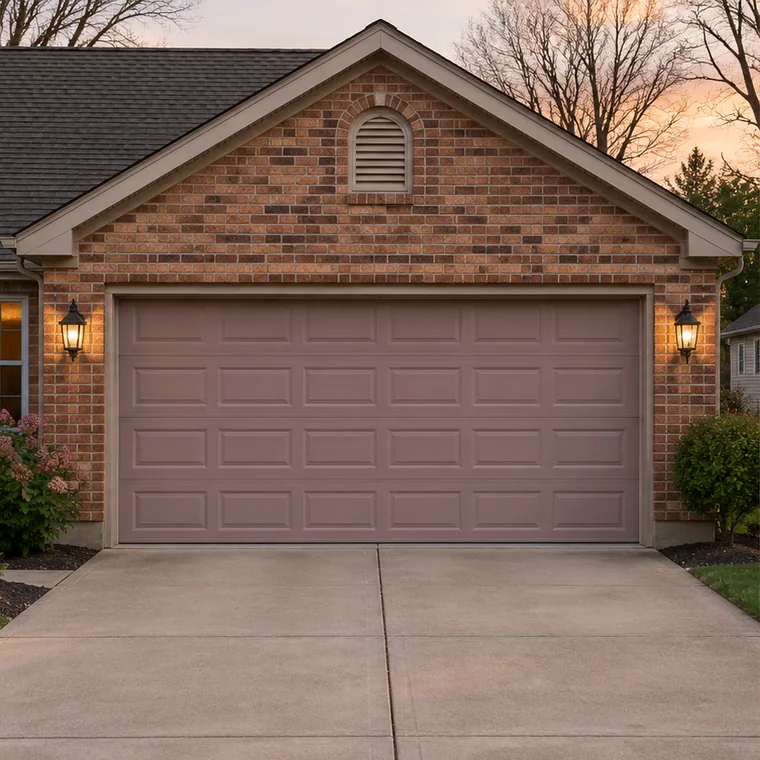

Tell us what happened on the last use
Think back to the last time you tried to use the door. Was it opening or closing when it stopped? Did it travel part of the way and reverse, or did it stay still while you heard the opener? If the door ended up uneven, tell us which side looks lower from a safe position. A bang, a scraping sound and a series of clicks are different observations. You can describe the sound even if you have no idea what part made it.
The location of the failure matters. A door fully down leaves a different access problem from one that's open or suspended between positions. Say whether you noticed a bent panel, a loose part or damage from a vehicle before the problem began. You don't need to run the door again to gather better evidence. Tell us what you already saw and keep clear if the opening or nearby hardware looks damaged.
Leave springs, cables and tracks for the technician
The door is heavy and its springs help counter its weight. Cables, brackets and related hardware can be under tension even when the door is stationary. If anything looks out of place or the door is hanging crooked, keep people and pets away and leave the system alone. Avoid pulling on the release or trying to lift the door. A heavy door can move unexpectedly when a part that helps support or control it has failed.
Let the person arranging the visit know if someone else at home is likely to press the wall button or open the door from a car remote. Put the controls out of use while you wait. Keep the area clear on both sides, including the space under a partly open door. Leave an object where it is if you would have to pass under the door or move the door to retrieve it.
Explain what the opener did
An automatic opener and the moving door are separate parts of the same system. When the opener runs but the door barely moves, an inspection may need to consider both. When the door moved down and then reversed, tell us how far it traveled and what the lights or controls did at the time. An obstruction, a sensor issue or a door that meets resistance can lead to different checks. The symptom alone rarely settles which part needs attention.
If you noticed that the wall control and remote behaved differently before the problem, say so. Mention a recent outage or work around the garage if the timing seems related. If you already have the opener model in a manual or receipt, keep it handy. Leave it for the technician when reading the label would require climbing, getting close to the damaged door or moving it. Ask whether the visit can evaluate the opener as well as the door if both are concerns.
Describe access at your Cincinnati address
The garage can be easier to find from a side drive or alley than from the main address. For a home around Harrison Avenue in Westwood, tell us which street to approach from, whether the drive is shared and whether the door is reachable without passing underneath it. Also say if there is a separate pedestrian entry and who has permission to use it. If the address has more than one door or garage bay, identify the one that failed.
If the car is trapped inside, let us know early and explain any time constraint. Confirm whether another vehicle blocks the outside of the opening or may affect where someone can park. If the garage is shared, give the building contact time to confirm who can approve work and arrange access for other users. Leave security codes and private access details for the person who needs them rather than attaching them to an open note or photograph.
Find out what can be repaired on the existing door
The decision about repair depends on what failed, what condition the door is in and whether compatible parts can be obtained. An isolated hardware issue may be different from widespread damage to the panels or the frame. Ask which components need inspection and whether the opener was affected. If more than one fault is found, ask which items are essential for safe operation and which can be discussed separately.
Before authorizing work, ask for the visit, labor and parts to be explained in terms you can compare. Confirm what would change the proposed scope and whether a return visit would be needed if a part has to be ordered. If replacement is raised, ask what makes repair unsuitable and what can be done about the opening while you decide. This page is about service for an existing residential garage door. Confirm the work that can be considered for the door at your address when you call.
If the garage has two bays, mention whether they have different doors or separate openers. An old receipt or paperwork from a previous repair may already identify the affected equipment. Keep it available for the visit. If you don't know the history, the date the symptom began and the sequence of what happened are useful on their own.
Prepare for the visit without testing the door
Write down the door's current position, what happened during the last use and how to reach the outside of the garage. If photos would help, send them only from a place clear of the opening. A view from outside can show which door is affected and whether it looks uneven. A close shot of a tensioned spring or loose cable is unnecessary. Describe the issue from memory if you can't make the picture safely.
When you call for garage door repair in Cincinnati, start with whether the opening is secure and whether anyone needs access to a vehicle. Then give the address and the easiest way to identify the garage. We can discuss which symptoms need to be checked, whether the opener is part of the issue and how to arrange a visit while the door stays out of use.